What is container rain?
"Container rain" is what importers call the condensation that forms inside a shipping container during long sea voyages. A container spends weeks at sea, cycling between daytime heat and nighttime cold. Moisture condenses on the metal ceiling — and drips back down onto the cargo below.
The result: mold on fruit, peeled labels, soggy cartons, and claims that should never have happened.
This guide explains what causes container rain, why it is so damaging, and how moisture absorbent pads placed inside each box can stop it.
What causes container rain?
Condensation forms when warm, humid air meets a cold surface. Inside a container, the air in the cargo hold warms up during the day and cools sharply at night. The inner surface of the container ceiling is often colder than the air below it, so water vapour condenses there — in the same way a cold drink sweats on a warm day.
Fresh produce makes it worse. Fruit and vegetables release moisture as they respire, raising the humidity inside the box and the container. The more cargo in the container, the more condensation forms.

Why container rain is so damaging
- 1、Mold and rot — dripping water collects on the top layer of fruit, creating the perfect conditions for mold within days
- 2、Peeled labels — wet surfaces make labels lift, causing traceability problems at destination
- 3、Softened cartons — cardboard boxes that soak up moisture lose their stacking strength, risking collapse in the container
- 4、Customer claims — a container with visible damage is rejected on arrival, and the cost lands on the shipper
The damage is often invisible until the container opens — which is why container rain is called the silent killer of fruit shipments.
Four ways shippers fight condensation
1. Ventilation Opening container vents allows some airflow, but it cannot remove condensation that has already formed on the ceiling, and it reduces temperature stability.
2. Desiccant bags Silica gel or clay desiccant bags absorb humidity from the air. They work, but they are usually placed loosely in the container, not where the water actually settles — on the fruit.
3. Humidity control strips Some shippers hang humidity-absorbing strips along the container walls. They help with overall humidity but do nothing for the moisture that drips directly onto the top layer of produce.
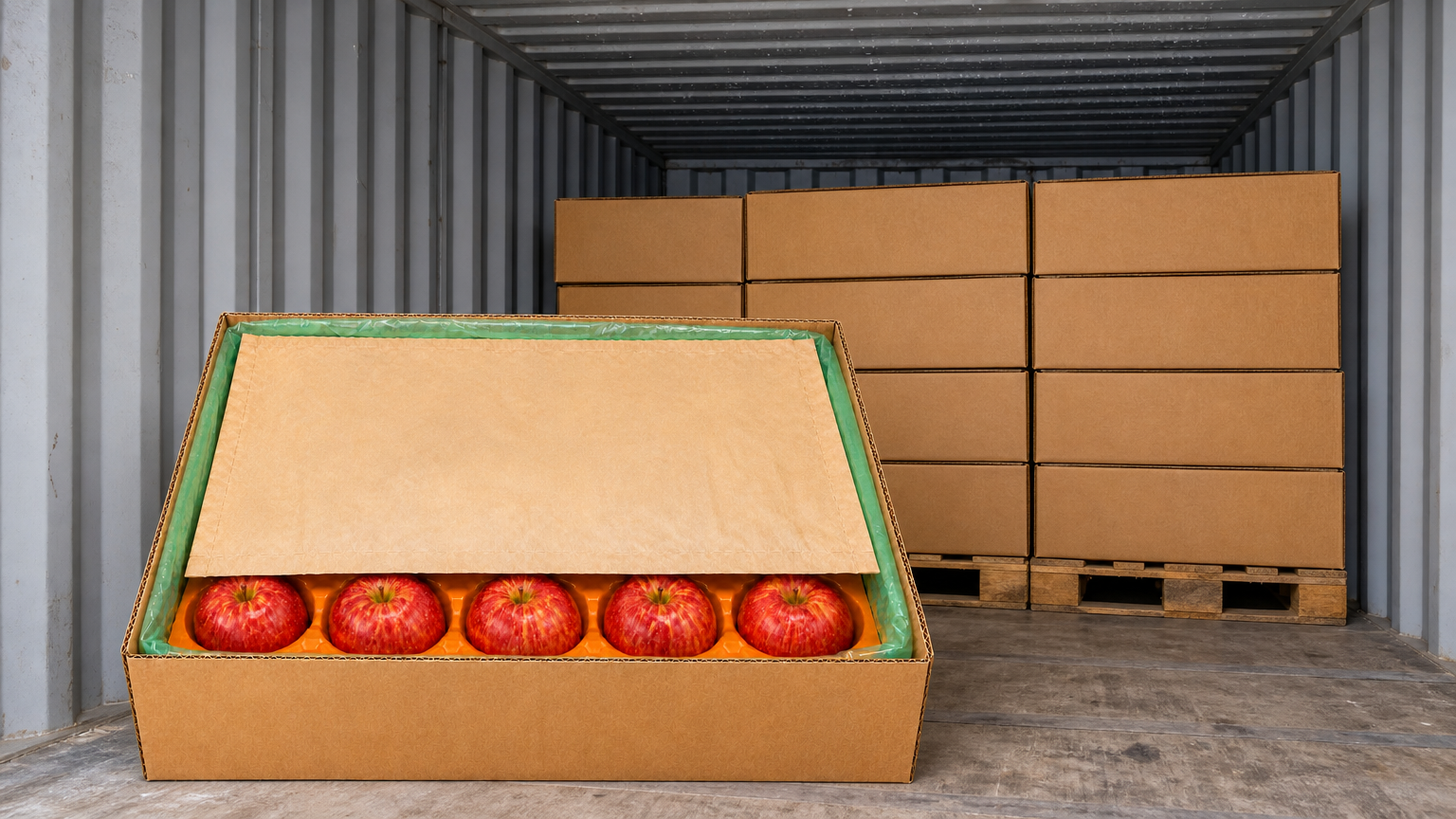
4. Moisture absorbent pads inside each box A moisture absorbent pad placed on top of the fruit inside every box absorbs condensation where it settles — over the produce — and cushions the top layer during transit. This is the most direct protection, and it travels with the cargo from the packing line to the destination shelf.
The kraft paper solution: absorbent pads inside each box
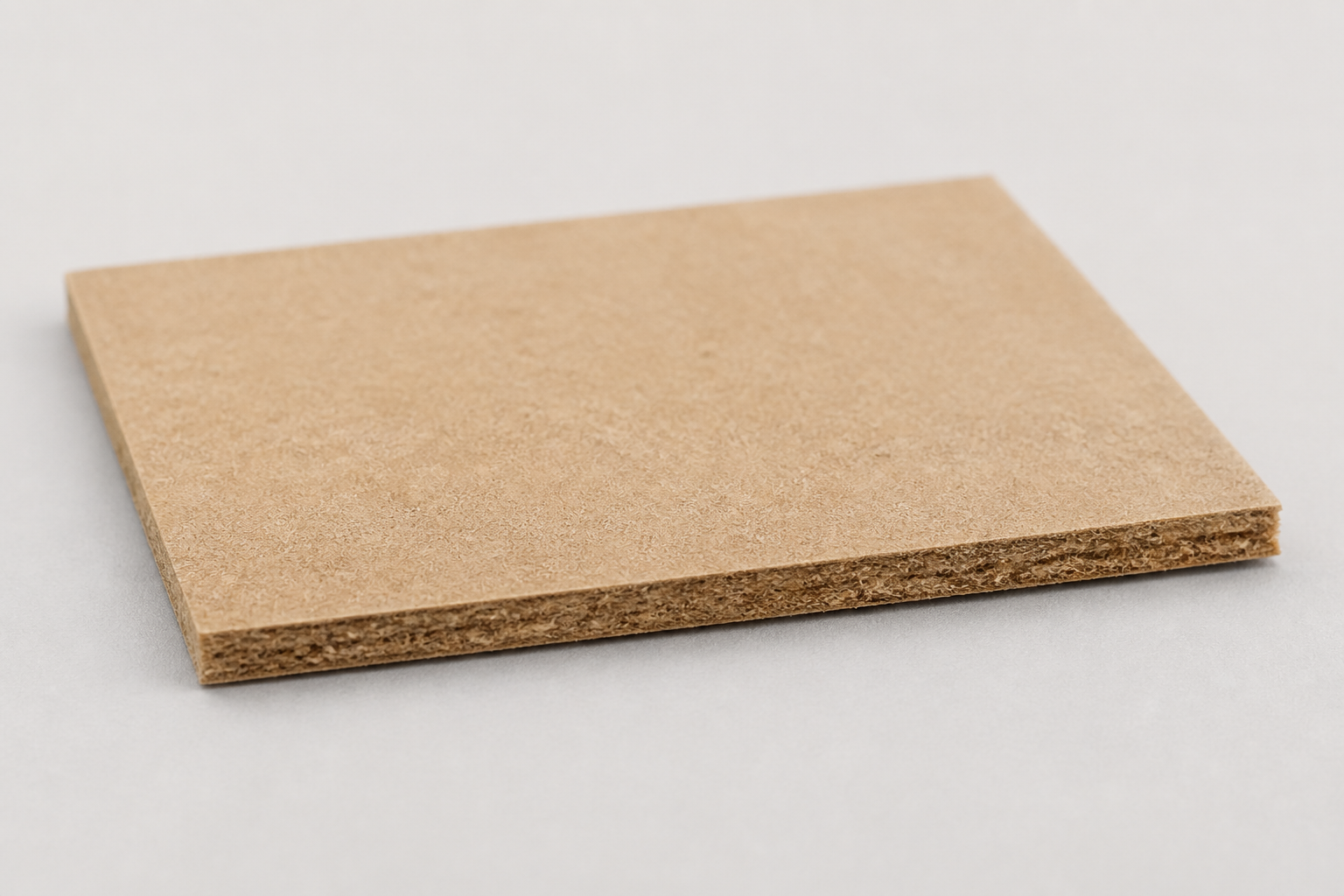
Our kraft paper moisture absorbent pad is designed for exactly this job. One pad goes inside each box, laid on top of the fruit:
1、Top-side placement — most absorbent pads work underneath the product; this one goes on top of the fruit, where condensation settles and where the top layer needs cushioning
2、Kraft paper construction — made from kraft paper with a kraft fiber core, fully consistent with the move toward paper-based, recyclable packaging
3、Lightweight and easy to use — one pad per box, laid on top of the fruit; no tools, no changes to your packing line
4、One material, no compromises — the kraft fiber core gives the pad structure and absorption in a single material
How to use moisture absorbent pads correctly
- 1、Place one pad per box, on top of the fruit, after the box is filled
- 2、Make sure the pad lies flat, covering the top layer of fruit
- 3、Seal the box as usual — the pad travels with the cargo
- 4、Store pads in a dry place before use, so they start the journey at full absorbency
Where moisture absorbent pads help
Fresh produce export is the obvious application — citrus, apples, pears and other long-haul shipments where weeks at sea meet temperature swings. But the same pads help anywhere condensation threatens:
- Cold storage and reefer logistics
- Seasonal warehouse peaks
- Any climate where daytime heat and nighttime cold meet inside a closed container
Samples and specifications
We are now accepting sample requests. Send us your box size and fruit type, and we will recommend the right pad and send a sample kit.
- Email: glbz003@gl-bz.com
- Web: www.gl-bz.com
Post time: Aug-27-2026