PPWR Test Reports: Kraft Paper and Plastic Fruit Trays Pass Heavy Metals and PFAS Testing
Lede: Regulation (EU) 2025/40 sets numeric limits on what packaging may contain — numbers your buyer now has to be able to document. We had both of our core fruit trays tested at SGS against the two requirements that matter most to European importers. All four reports came back Pass.
The two PPWR limits your buyer has to document
Article 5(4) — heavy metals. The combined concentration of lead, cadmium, mercury and hexavalent chromium in packaging and packaging components must not exceed 100 mg/kg.
Article 5(5) — PFAS and total fluorine. Where total fluorine exceeds 50 mg/kg, the manufacturer or importer must provide verifiable data separating PFAS-derived from non-PFAS fluorine, supported by targeted PFAS analysis, for the technical documentation. Below that threshold, the packaging is treated as compliant on this point.
“PFAS-free” on a supplier website is not enough for a European buyer. They need the number, and the report behind the number.
Kraft paper fruit tray: both requirements passed
Our kraft paper fruit tray is made from pure wood kraft paper, with individual cells that keep fruit separated rather than touching. It is designed for fruit that bruises easily at the shoulder and the base — apples, kiwis, avocados.
Both PPWR requirements were met on this tray:
1. Heavy metals — Article 5(4). SGS report NGBEC26007837101, dated 7 September 2026. Lead, cadmium, mercury and hexavalent chromium each reported as Not Detected. Conclusion: Pass.
2. PFAS and total fluorine — Article 5(5). SGS report QDF26-0041355-01A1, dated 7 May 2026. PFOS, PFOA, C9–C14 PFCAs, PFHxS and PFHxA and their salts all Not Detected; total fluorine Not Detected against the 50 mg/kg limit. Conclusion: Pass.
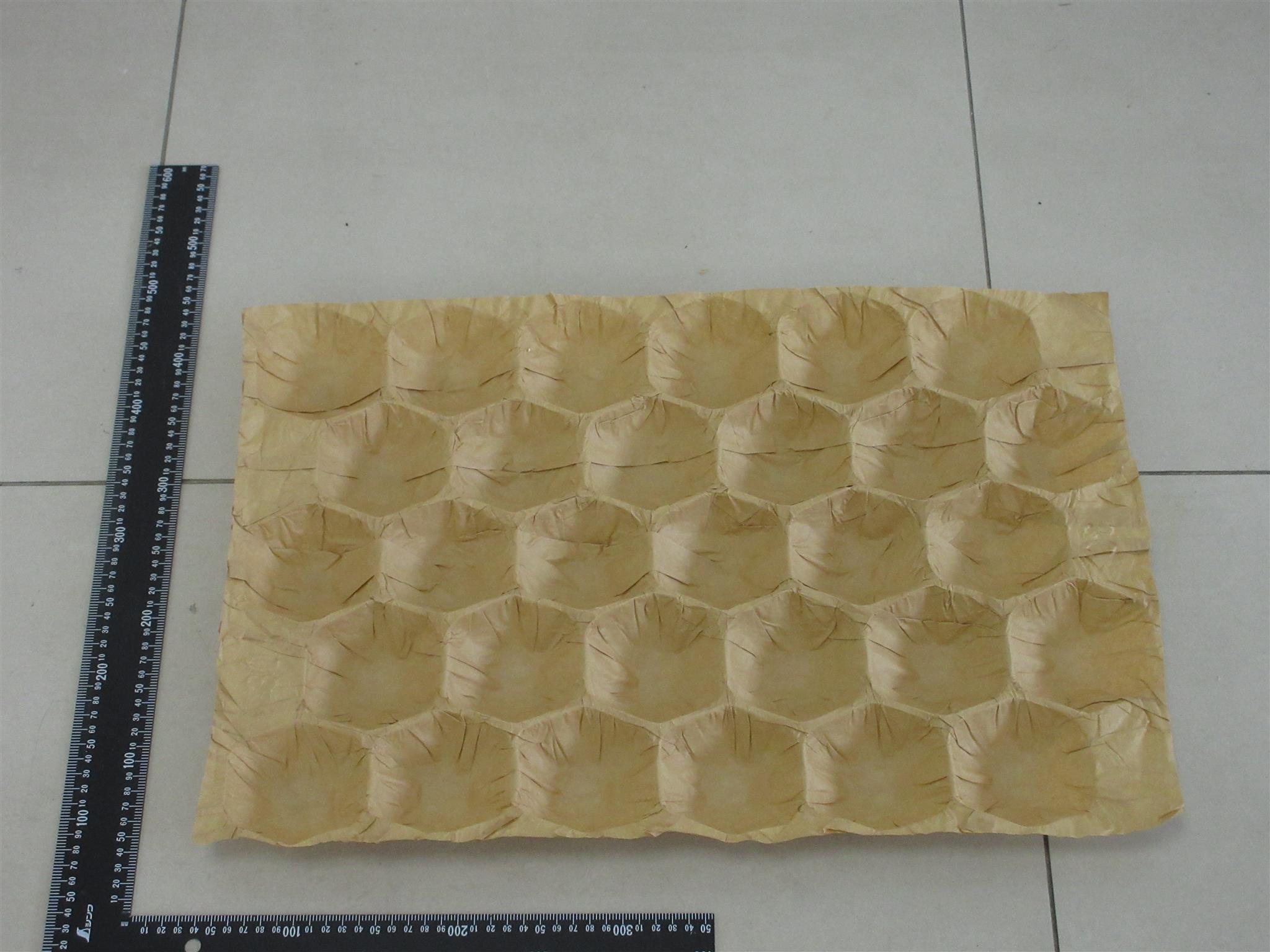
Plastic fruit tray: both requirements passed
Our plastic fruit tray is made in PP and PET (polypropylene and polyethylene terephthalate), available in a full range of sizes and colours, and is used both for packing fruit for shipment and for fruit display. For importers who need a plastic tray that holds up in a compliance file, this tray is now documented the same way as the kraft paper one.
1. Heavy metals — Article 5(4). SGS report NGBEC26007837102, dated 7 September 2026. All four elements Not Detected. Conclusion: Pass.
2. PFAS screening and total fluorine — Article 5(5). SGS report NGBEC26007837103, dated 7 September 2026. Total organic fluorine screening: Negative; total fluorine Not Detected against the 50 mg/kg limit. Conclusion: Pass.
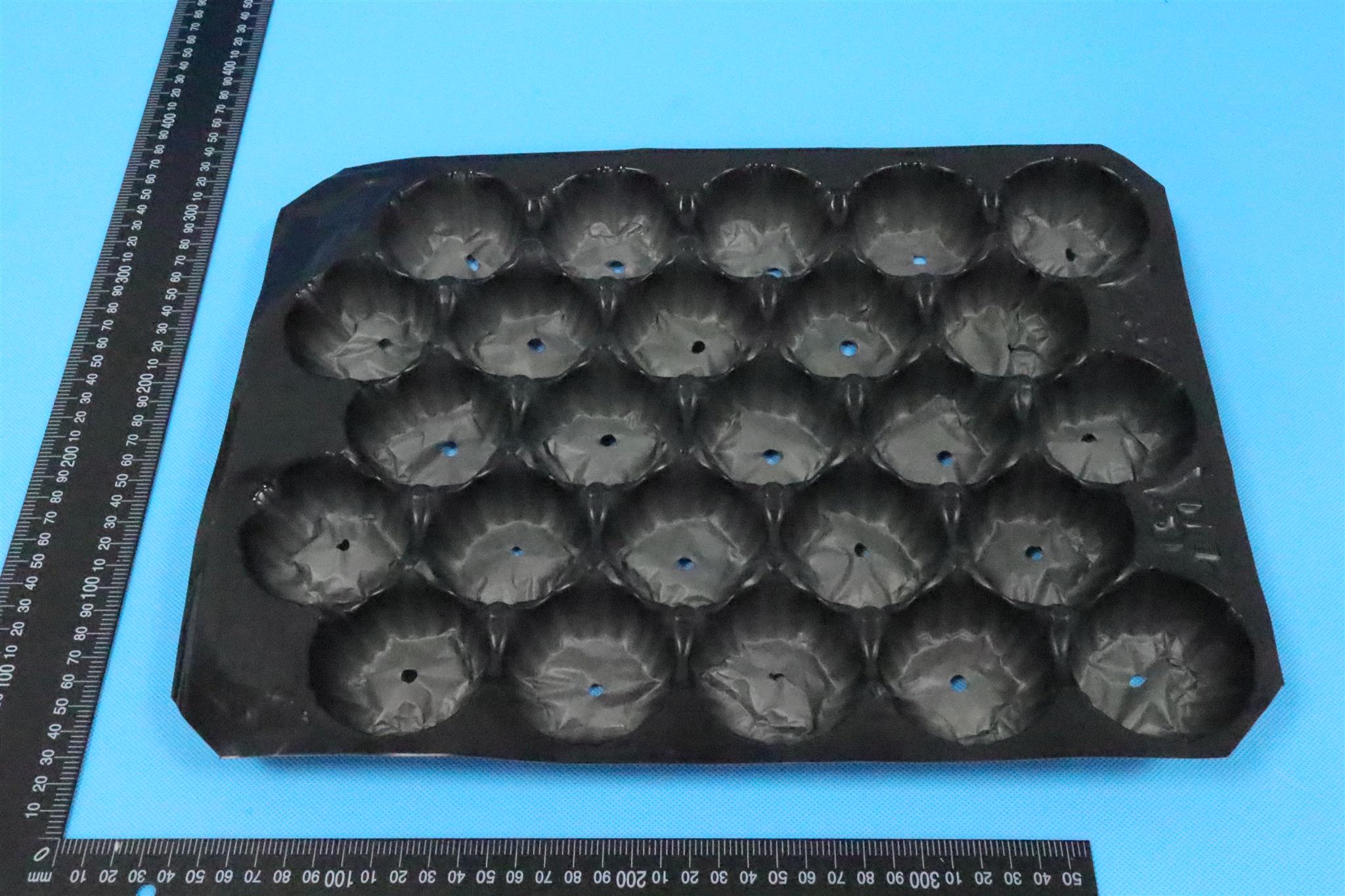
Why we tested both products
Laizhou Guoliang Packing Products has been making fruit packaging since 2007 — one factory, one industry, one chain. Design, sampling, production, quality inspection, logistics and after-sales all sit under the same roof, so when a buyer asks for documentation there is one team to ask and one team accountable for the answer.
Our kraft paper trays have passed the same three quality gates for years: incoming paper tested for thickness consistency and fiber purity, in-production control, and a final check before loading. PPWR testing extends that habit into a new column — substance limits a European buyer has to put in a file, not take on trust.
Most of our buyers order one material or the other, depending on the market they sell into: paper where a fibre-based pack is the requirement, plastic where shelf presentation and durability matter more. We tested both products rather than only the one we sell most of, so that whichever tray you buy from us, the documentation is already sitting in the file.
Our job has always been simple to say: fruit arrives the way it left. Increasingly, that job also means arriving with the paperwork to prove the packaging is safe.
How to read a PPWR test report
Any supplier can send you a PDF. Before you accept it, these are the five things we would check — on our reports, and on anyone else’s:
1. Which sample was tested. A report covers the sample submitted, not “our whole range”. Check that the sample description matches the construction you are actually buying.
2. Which requirements are covered. PPWR test reports document specific articles — ours cover Articles 5(4) and 5(5). The reports do not make the company or the product “PPWR certified”, because that status does not exist; what exists is documented performance against named requirements.
3. The detection limits. “Not Detected” only means below the laboratory’s method detection limit. Ask for the MDL, so you know how far below.
4. Whether your configuration is covered. A change of paper grade, additive or coating is a different configuration, and the sensible thing is to re-test rather than assume.
5. The dates and the version. Sample submission, receipt and testing dates are on every report. Check whether a report supersedes an earlier one — an expired version is worse than no version.
These are the same questions a European buyer is entitled to ask us. They are also the fastest way to tell a real compliance file from a decorative one.
Request the reports
Full test reports are available on request. Tell us which market you ship to — and which tray you buy — and we will send the documents that apply, together with material specifications and samples for your own testing.
Email: glbz003@gl-bz.com
Post time: Sep-28-2026